
Last Updated on November 9, 2026 by Kristin
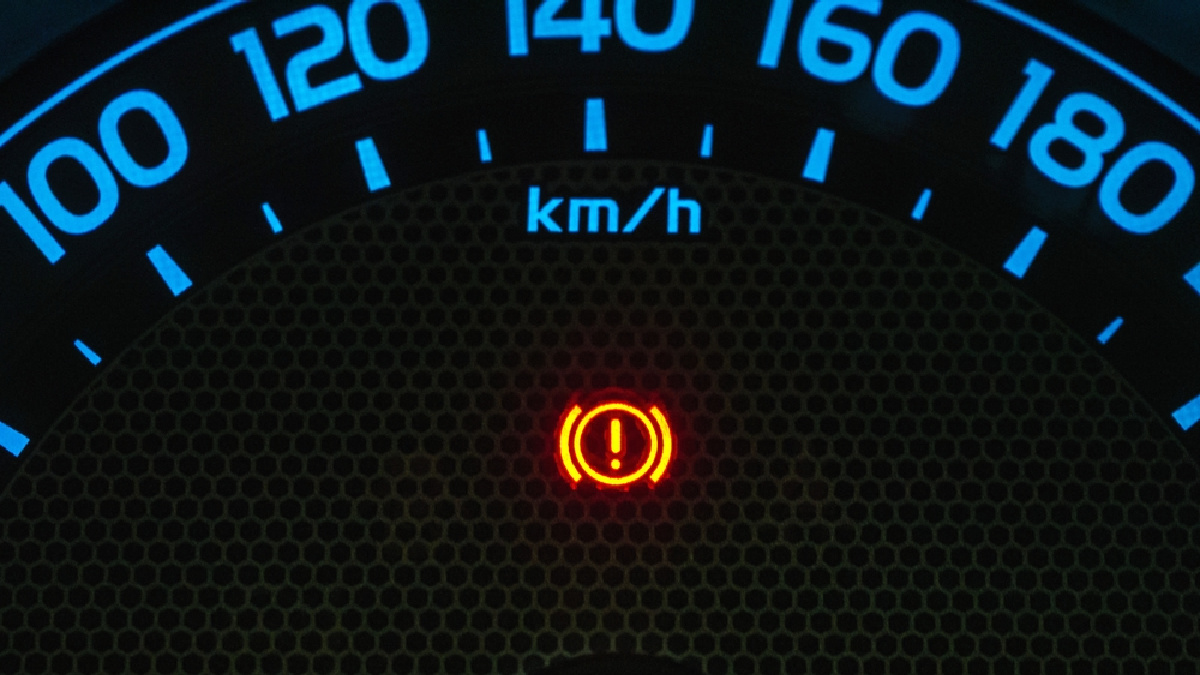
If it seems like car warning lights suddenly come on more often in the fall and winter, it’s because it’s true. Cold weather can trigger warning lights for a host of reasons. One minute the car seems to be running fine, and suddenly the “check engine” light or a tire pressure warning flashes on. Here’s what to know about car warning lights, and how you can tell whether it’s a symptom of cold weather or a more serious problem.
Why Cold Triggers Warning Lights
In fall and winter, you may notice that some dashboard lights turn on and off again without much warning or explanation. There are a few common reasons why this may happen.
Ask AutoSlash for a Quote on a Cheap Car Rental
Cold weather can affect your car’s electrical and mechanical systems in many ways.
If your car was parked outside overnight in the cold, your tires may have deflated a bit and trigger a tire pressure warning light. Or your gas cap’s rubber seal can shrink in the cold weather and trigger a “check engine” light. Sometimes your car’s sensors and computer system may also misread vital measurements if snow and ice builds up.
All of these issues can trigger warning lights on your car’s dashboard. These lights may simply turn off after driving the car for 15 to 20 minutes, or they could indicate a more serious problem with your car’s components if they stay illuminated.
Common Warning Light Issues in Cold Weather
Winter weather has been known to trigger several issues with warning lights. Here are some of the most common warning lights that might come on in the winter.
Tire Pressure Warning
One of the most common warning lights happens when the car’s tire pressure is too low. Tire pressure becomes lower during cold weather because cold air contracts. That means your car’s tire pressure may be lower on cold mornings and need some more air.
Check Engine Light
Colder temperatures can also light up the dreaded “check engine” light. One of the most common culprits is an ill-fitting gas cap. The cold can cause materials in your car to contract, including the rubber seal around your gas cap. Sometimes it’s simply due to not tightening the cap after filling the tank. The check engine light can also be triggered by the lower voltage or thickened motor oil due to the cold weather.
Oil Pressure Warning
What matters is the color the warning light. If it’s yellow or orange, it can be a reminder that an oil change is due, or it can be due to faulty sensors due to thickened oil. In freezing weather, engine oil becomes thicker and more viscous, making it harder for the oil pump to circulate fluid immediately upon startup. This is not immediately urgent but still needs prompt attention.
A red oil pressure warning light, on the other hand, signals dangerously low engine oil pressure or loss of lubrication. If the red light is on, pull over and call roadside assistance.
Coolant Level Light
Just like air in your tires, coolant can contract in cold temperatures. If this happens and your sensor determines you don’t have enough coolant, the coolant level light may come on.
Battery Warning
Car batteries struggle more in cold weather. Your battery warning light may come on in the cold to indicate that the battery is not charging properly or that a component like the alternator is not working properly.
Anti-Lock Braking (ABS) Lights
Snow or ice around the car’s wheels can affect your anti-lock braking (ABS) sensors, as can low battery voltage. When this sensor comes on, it means the anti-lock braking system may not be working as intended.
Forward Collision Warning Light
If this amber light appears, it may mean that your car’s forward collision system is not working properly. This is often due to a buildup of ice and snow on the car’s front sensors and cameras. The light usually turns off on its own once the debris is cleared.
When Warning Lights Are a Problem
Not all warning lights signal immediate danger, but that doesn’t mean you should ignore them, either. If you’re driving a rental car and a warning light comes on, it’s best to err on the side of caution and call the rental car company.
Some warning lights may go off as soon as weather-related problems are solved. For example, tightening the gas cap and driving for 20 miles will often cause the “check engine” light to turn off. And the ABS warning light may go off once you scrape ice and snow off the wheels.
Let AutoSlash Track Your Car Rental for Price Drops
Some warning lights require immediate assistance. Generally speaking, red warning lights indicate that a serious problem could be making the car too dangerous to drive. If these warning lights come on in cold weather and stay illuminated, it’s best to call the rental agency for instructions or call roadside assistance.
You should always call the rental car company when you see warning lights that are accompanied by problems with the car, regardless of the color.
Related: