
Last Updated on April 2, 2026 by Kristin
If you’ve ever felt the sensation of losing control or sliding while driving over water, you’ve likely experienced hydroplaning. While hydroplaning can happen at any time of year, it can be especially concerning in the spring due to the amount of melting snow and rainstorms in many areas of the United States. Here’s why hydroplaning happens in the spring and how to avoid this phenomenon.
What is Hydroplaning?
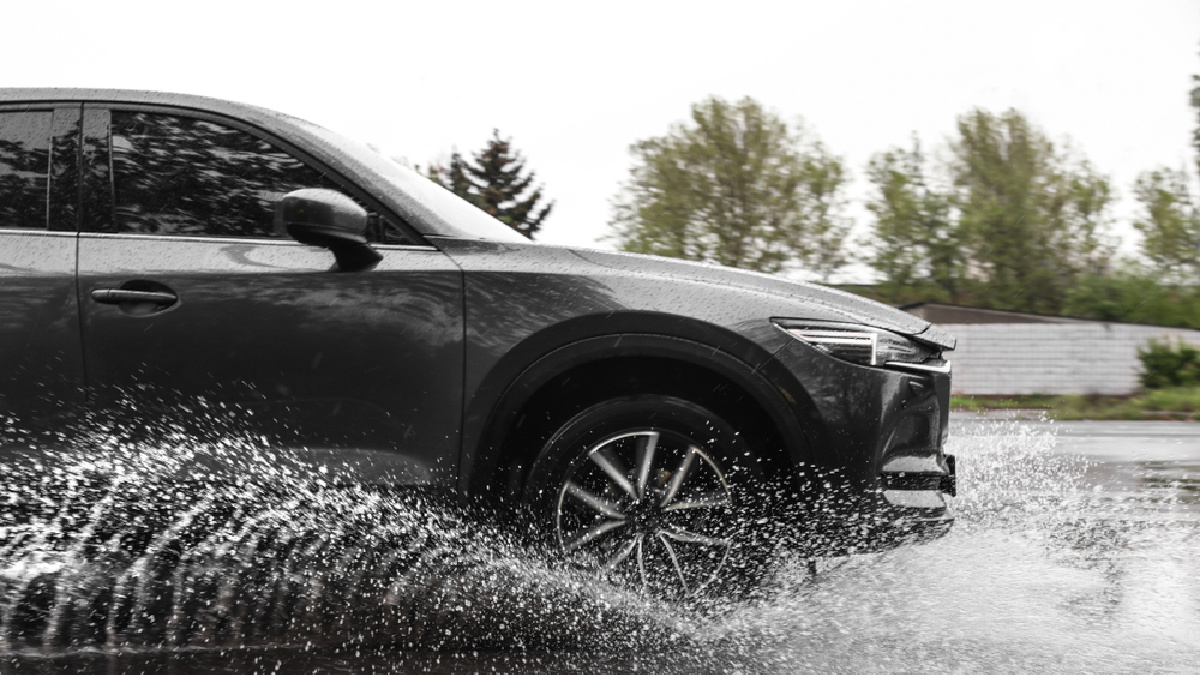
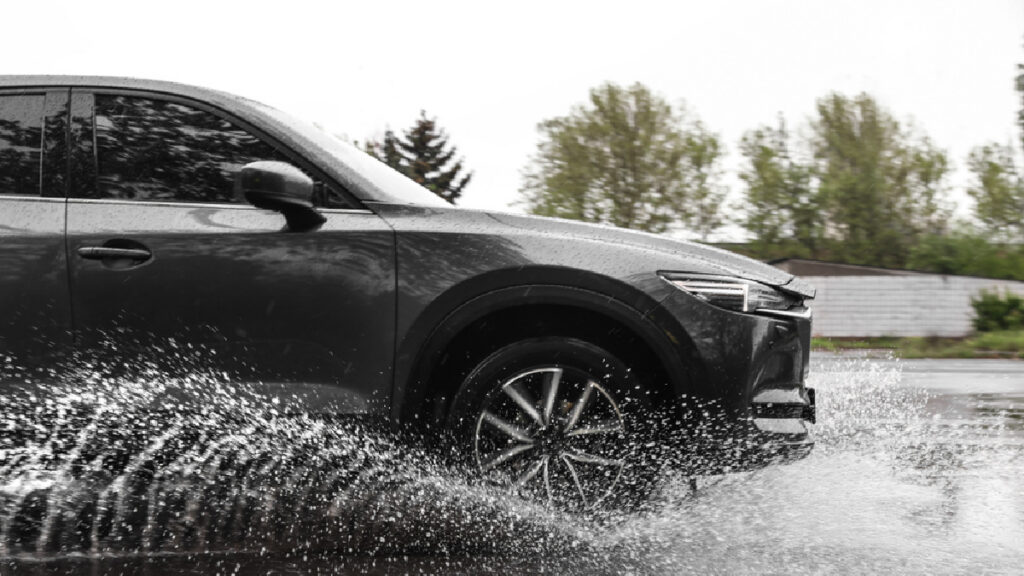
Hydroplaning happens when a layer of water gets in between a car’s tires and the ground, causing the car’s tires to lose contact with the road. Drivers often describe hydroplaning as a feeling that the car is sliding or floating. When hydroplaning, drivers may notice less steering control of the vehicle and the sound of the engine revving without the car accelerating.
Tires are built with grooves that are designed to push water away. But if there’s too much water, the grooves don’t function as well. Worn out tires can increase the chance of hydroplaning.
Which Conditions Cause Hydroplaning?
Hydroplaning can happen at any time of year if there are rainstorms, but many residents of colder states will notice that the risk starts to pick up in the spring when slush forms from melting snow and rainstorms become more frequent.
It typically happens during heavy rainstorms or flooding, and standing oil or grease on the road can create a slippery surface when a rainstorm starts. Hydroplaning can happen with as little as 1/10 of an inch of water on the road.
Hydroplaning can catch drivers off guard if rains pick up while they are on the road. What seems like a little bit of rain can very quickly turn into a dire situation if enough water accumulates on the road.
How to Avoid Hydroplaning
While hydroplaning can be a scary experience, there are a few ways to avoid it from happening. The best way to avoid hydroplaning is to slow down in wet conditions. Even if the roads seem clear, it’s best to drive cautiously and avoid driving through any standing pools of water.
If you feel the car start to hydroplane, avoid accelerating or slamming on the brakes. If visibility deteriorates during a heavy rainstorm and you can’t see the road in front of you, consider pulling over with your hazard lights to wait out the storm if conditions allow.
Another way to lessen the chance of hydroplaning is to make sure the car’s tires are in good shape. While you typically can’t choose which tires your rental car comes with unless you book one with winter tires in advance, you can do a visual inspection of the tires to check for worn out treads and ask for a tire pressure reading.
While rental car companies do regular maintenance checks, be sure to check the tires before taking the car off the lot to ensure they have sufficient tread and pressure to help keep water from forming under them.
Hydroplaning can be scary and difficult to predict, but driving cautiously and checking the car’s tires before heading out on the road can help guard against these incidents.
Related: