
Last Updated on October 18, 2026 by Kristin
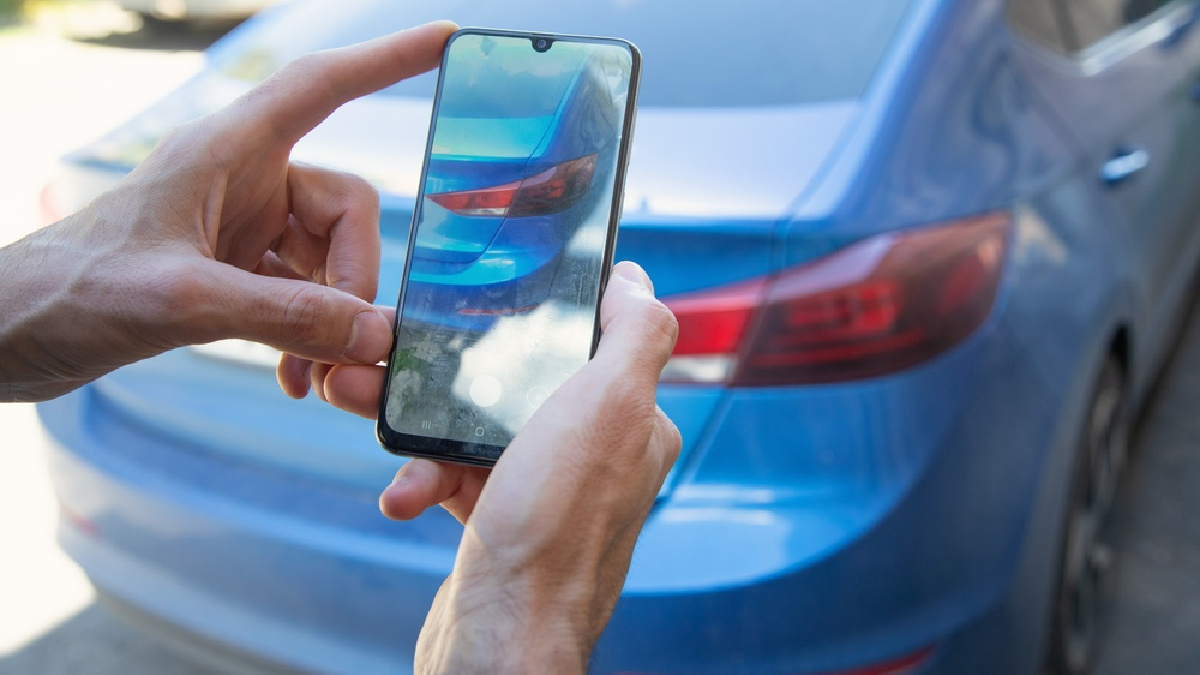
At AutoSlash, we recommend taking photos of your rental car when you pick it up and again when you return it. There are good reasons to photograph your rental car twice. Photos provide valuable evidence if you receive an unexpected damage complaint after returning the car.
As some rental car companies are using artificial intelligence (AI)-powered imaging technologies to scan their vehicles for damage, you may be wondering whether your own photographs are still necessary. In fact, they may be even more important now than ever.
Why Photograph Your Rental Car?
Car rental companies have their own scanners and cameras to check your car after you return it. However, taking your own photos or videos when picking up and returning the car can help you avoid paying for wrongful damage charges.
Ask AutoSlash for a Quote on a Cheap Car Rental
When you bring back your rental car, the attendant might tell you that it’s not necessary to take your own photos. That’s what happened to one customer in Connecticut recently, according to The Seattle Times. However, you should still take your own photos for several reasons.
Exterior Photos
For starters, having photos of the rental car on your phone can help you immediately respond to any extra damage charges you may receive after turning in the vehicle. If the rental car company finds a new dent or scratch on the car, you might have to pay for those blemishes after the rental company completes their post-rental inspection. But by taking photos of the car before and after you return it, you’ll have evidence of whether that damage was there before you rented the car.
While many customers drop off their vehicle with no issues, car rental companies can charge you after the fact if they believe you returned a damaged vehicle. Having your own photos on hand can help you immediately respond to these claims without having to jump through hoops to review any footage the rental car company has. Without these photos, you’ll have less evidence to prove that you were not responsible for any damages.
Interior Photos
Second, taking photos of your rental car can help show how clean the car was on the inside when you rented it. The rental car company’s scanners may not necessarily document the car’s interior, and you could be charged extra cleaning fees.
Renters have reported getting hit with extra cleaning charges for the presence of dirt, pet hair and sand in the vehicle. Having photos of the car’s interior can provide solid proof of what the car looked like on the inside when you handed it back over to the rental car company.
How to Take Photos of Your Rental Car
A good rule of thumb is to document the car twice: once before you drive off the rental car lot, and then once more when you return it. We recommend taking a combination of high-resolution photos and a high-quality video of the car while you’re doing the walkaround inspection with an agent.
Let AutoSlash Track Your Car Rental for Price Drops
Here are some things you should be sure to take photos of:
- The car’s exterior from all angles, including the tires, windshield and headlights
- The car’s interior, including the floor mats, seats and fuel gauge reading
- Any visible dents, scratches or dirt on the vehicle that need to be noted on the incident report
Take your time to capture high-quality videos of the car that are as sharp as possible. If you notice a dent, scratch or any dirt inside the vehicle, point it out to the rental car attendant immediately and make sure it shows up on the rental car’s condition report. Flagging these issues early on will help ensure the rental car company does not charge you for any damages you did not cause.
Why You Should Take Two Sets of Photos
Having one set of photos isn’t enough. Take another set of photos when you return the vehicle. Ideally, try to replicate the same shots you took when you picked up the car.
Having two sets of photos helps create a timeline showing how you picked up the car and how you left it. It provides a stronger case to show that you brought back the car as you left it.
Related: